The choice between Stable Diffusion and Midjourney is one of the first decisions new image generation users face - and it's more consequential than it appears. The two platforms have fundamentally different philosophies about what the user's role should be, and starting with the wrong one for your goals and technical comfort level produces frustration that leads people to underestimate what AI image generation can actually do.
This guide is written specifically for beginners making this choice in mid-2026, with honest assessments of both platforms' learning curves, output quality at beginner skill levels, and the use cases each one serves better.
The Fundamental Difference in Philosophy
Midjourney is opinionated. It takes your prompt, applies significant creative interpretation, and produces images that reflect both your input and the model's strong aesthetic sensibility. You don't control every variable - you describe what you want and collaborate with a model that has genuine aesthetic judgment. The results are often better than what you specified, occasionally different from what you intended, and almost always visually interesting.
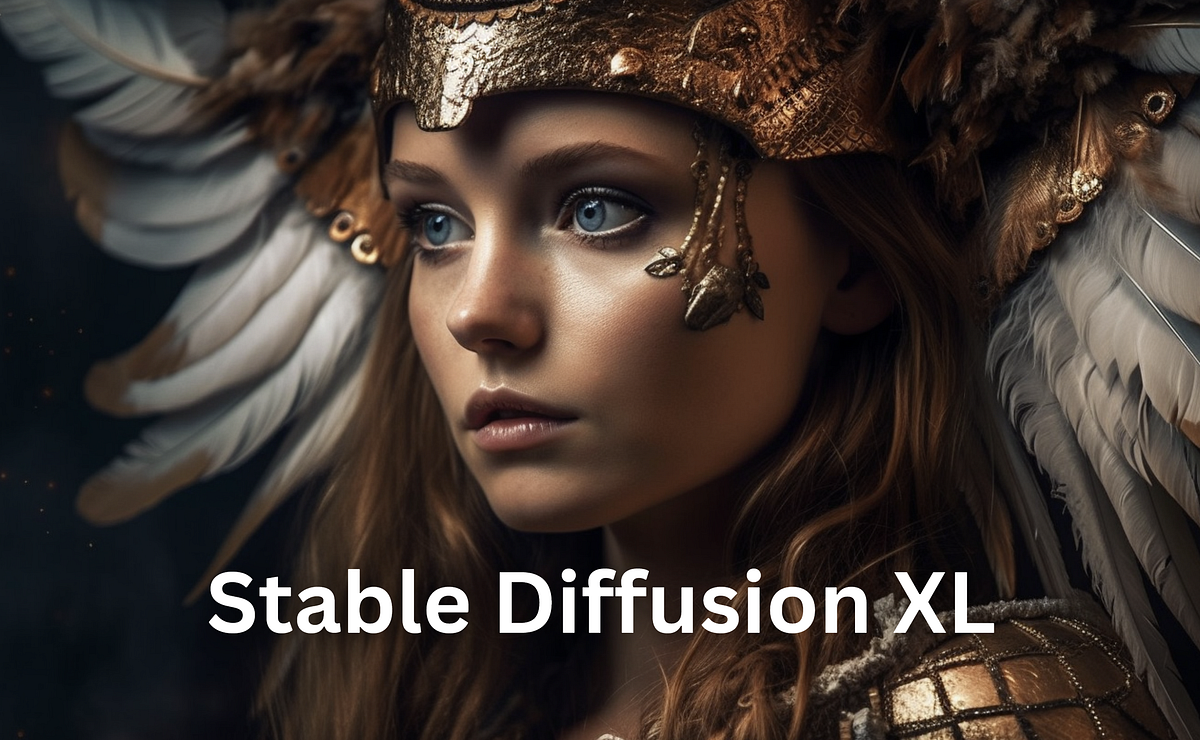
Stable Diffusion is a toolbox. It gives you control over every parameter of the generation process - model selection, sampling method, CFG scale, step count, LoRA weights, and dozens of other variables that determine the output. Used well by an experienced user, it produces output tailored precisely to a specific requirement. Used by a beginner without configuration knowledge, it produces output that looks noticeably worse than Midjourney on equivalent prompts.
This difference determines which platform is right for which beginner. If you want impressive results quickly with minimal technical investment, Midjourney. If you want to understand how AI image generation works and build toward precise control over output, Stable Diffusion - but with realistic expectations about the investment required.
Learning Curve: The Honest Comparison
Midjourney's learning curve to usable output is measured in hours. The prompt interface is straightforward, the model's aesthetic defaults are high enough that basic prompts produce visually acceptable results, and the iterative refinement tools - variations, upscaling, region editing - are intuitive enough that beginners can improve initial outputs without technical knowledge.
The deeper learning curve on Midjourney - understanding how to write prompts that produce precisely what you want rather than an interesting interpretation of it - is measured in weeks of consistent use. But the early results are good enough that motivation to invest in that deeper learning comes naturally.
Stable Diffusion's learning curve to usable output is measured in days at minimum, more often weeks. Before producing results that compete with Midjourney's defaults, a Stable Diffusion beginner needs to understand: which base model to use for their use case, how to find and install appropriate LoRAs, how to write prompts with weighting syntax, how to configure generation parameters, and how to use negative prompts effectively.
The ceiling for experienced Stable Diffusion users is extremely high - but the path to that ceiling requires sustained technical investment that many beginners underestimate.
Output Quality at Beginner Level
This is where the comparison is most clear-cut. A beginner running Midjourney with a simple, well-written prompt will produce output that looks professional in the first session. A beginner running Stable Diffusion with default settings and a simple prompt will produce output that looks obviously unfinished compared to what the platform is capable of.
The gap at beginner level is significant enough that it affects how beginners perceive AI image generation generally. Users who start with Midjourney tend to continue - the early results are encouraging. Users who start with Stable Diffusion without guidance frequently conclude that AI image generation is overrated - because the unconfigured defaults don't represent the platform's actual capability.
By mid-2026, Midjourney's default output quality has continued to improve with each model iteration. A simple prompt produces compositionally strong, aesthetically coherent images without any parameter configuration. This remains Midjourney's most significant advantage for beginners - the floor quality is high enough that early results feel like genuine creative output rather than a technical exercise.
Cost Comparison for Beginners
Midjourney's entry plan provides a limited monthly generation budget that's sufficient for beginners learning the platform. The cost is clear and predictable. As usage grows, the plan tiers are straightforward.
Stable Diffusion's base software is free and open source - but running it locally requires hardware that many beginners don't have. Cloud-based Stable Diffusion access adds cost that narrows the price advantage over Midjourney for users without suitable local hardware.
For beginners without a dedicated GPU, the effective cost comparison is closer than the open-source positioning suggests. For beginners with a suitable GPU who are willing to invest in local setup, Stable Diffusion's ongoing usage cost is lower than Midjourney for equivalent generation volume.
Access for Beginners Outside Standard Markets
Both platforms present access and payment challenges for users in regions where direct platform access is restricted or payment methods aren't supported. Midjourney's native platform doesn't accept Russian bank cards. Stable Diffusion's cloud-based implementations have varying regional availability.
Through an all-in-one AI platform like GPT Portal, both Midjourney and Stable Diffusion - alongside Flux - are accessible from a single account with Russian bank card and SBP payment support and AI tools without VPN requirement.
For beginners who want to try both platforms before committing to one - which is genuinely the best way to make this decision - consolidated access through gptportal.pro with 600 free credits on registration makes comparison practical without separate account setup and payment friction for each platform.
The Recommendation for Beginners
Start with Midjourney if: you want impressive results quickly, you're using image generation for creative or commercial output rather than technical learning, and you prefer a collaborative tool that applies aesthetic judgment rather than a configurable engine you control completely.
Start with Stable Diffusion if: you have a specific aesthetic requirement that community fine-tuned models address, you have suitable local hardware and technical interest in understanding the generation process deeply, or you're building applications that require local deployment and API control.
For most beginners in mid-2026, Midjourney is the right starting point. The early results justify continued investment in learning the platform, the prompt-to-output workflow is intuitive enough that creative focus can stay on the output rather than the technical configuration, and the quality ceiling is high enough for professional use. Stable Diffusion becomes relevant when specific requirements emerge that Midjourney's commercial platform doesn't address - and by that point, the beginner has developed enough understanding of image generation to approach Stable Diffusion's complexity productively.
Both are available through the all-in-one AI platform at gptportal.pro - try both with the 600 free credits on registration and let your actual output needs determine which one becomes your primary tool.